
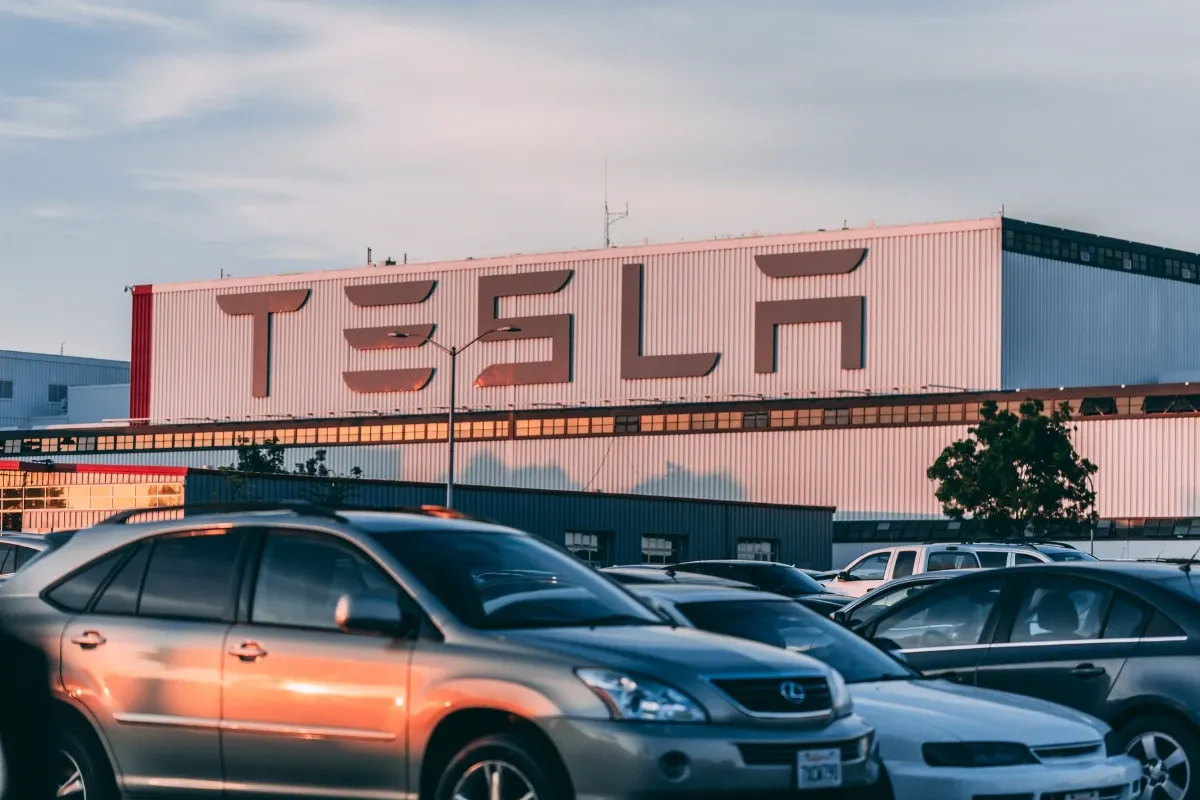
Tesla and Alphabet shares recorded sharp declines after the release of results that highlighted the significant increase in investments in artificial intelligence. The move drew the attention of the financial market and also of investors attentive to the impact of technology on sectors linked to innovation and cryptocurrencies.
On Thursday, Tesla shares fell about 14%, while Alphabet posted losses of more than 6%. The reaction came following the quarterly earnings released a day earlier, when both had already closed the trading session slightly lower.
The figures presented reinforced a common point between the two giants: negative free cash flow in the second quarter. In Alphabet's case, the company revised upward its investment forecast, now estimated between US$ 195 billion and US$ 205 billion in 2026, with expectations of even higher amounts in the coming years.
Tesla, for its part, reported a 142% jump in capital expenditures on a yearly comparison, totaling US$ 5,79 billion in the quarter. The company also indicated that it intends to exceed US$ 25 billion in investments over the course of the year.
Despite the market's negative reaction, executives tried to ease concerns. “This is a year of massive investments. I am confident that all the investments we are making will yield incredible returns. In fact, perhaps the best returns on investment we have ever seen,” said Tesla CEO Elon Musk.
The company also highlighted progress in strategic projects, including semiconductor production and the development of the humanoid robot Optimus. According to the company, the installation of the first production lines is already underway.
In Alphabet's case, the increase in spending was attributed to the need to expand infrastructure to meet the growing demand for artificial intelligence. The company indicated that current capacity still does not keep up with the pace of the sector's expansion.
Market analysts pointed out that investors are attentive to the impact of these investments on profit margins, in addition to questions about the pace of delivery of new AI-based products.
Even so, there were positive signs. Revenue from Google's cloud division grew 82%, reaching US$ 24,8 billion and surpassing expectations. The performance reinforces the thesis that investments in technology can generate relevant returns in the medium term.
At Tesla, the automotive segment also posted growth, with revenue of US$ 20,52 billion, up 23% compared to the previous year, indicating that the operating base remains in expansion despite cost pressure.