
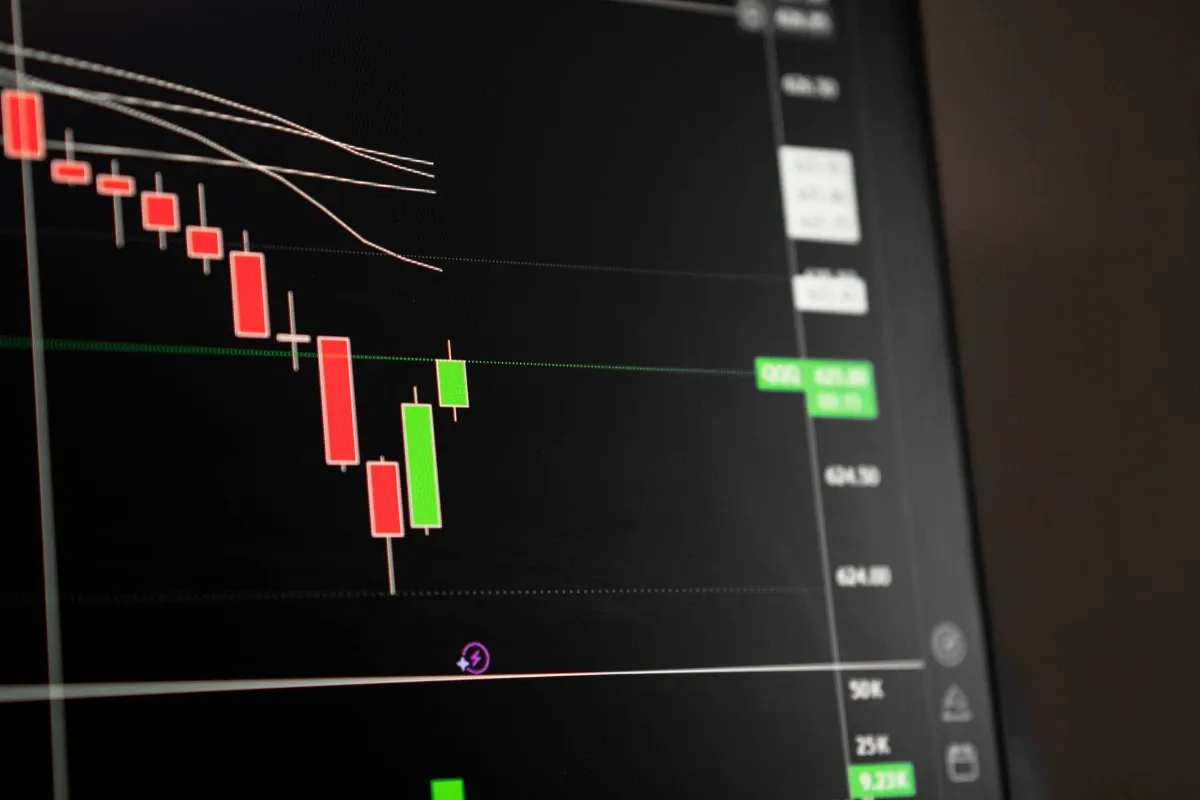
U.S. stock markets traded without a single direction this Tuesday (14), after the release of a weaker-than-expected inflation report. The data eased some concerns about the path of interest rates and boosted appetite for risk assets, although some sectors remained under pressure.
Among the main indexes, the S&P 500 was up 0,23%, at 7.532,55 points, while the Nasdaq gained 0,73%, to 26.061,96 points, supported by the performance of technology companies. Meanwhile, the Dow Jones Industrial Average fell 0,17%, to 52.407,59 points. The Russell 2000, a small-cap index, posted a gain of 0,43%, at 2.965,92 points, indicating greater interest in lower-capitalization stocks.
The Consumer Price Index (CPI) report showed that annual inflation in the United States came in at 3,5% in June, below the expectation of 3,8%. Core inflation, meanwhile, rose 2,6%, also below the projection of 2,8%, reinforcing the perception that inflationary pressures continue to lose strength.
The figures eased part of the pressure on the Federal Reserve, although investors are still assessing the possibility of further adjustments to monetary policy in the coming years. Before the indicator was released, the market had increased bets on a rate hike at the July meeting.
In the technology sector, companies linked to artificial intelligence posted mixed performance. South Korean manufacturer SK Hynix extended its losses after its recent debut on the United States stock exchange, while IBM plunged more than 25% after releasing a preview of results considered disappointing by the market.
The market also tracked the rise in energy prices. The August WTI oil contract was up 2,01%, quoted at US$ 79,71 per barrel, while gold gained strength as a safe-haven asset, rising 1.75%, to US$ 4,075.70.
The volatility index VIX, known as Wall Street's "fear gauge," was down 4.02%, at 16.47 points, signaling a reduction in risk aversion after the release of the CPI.
In the cryptocurrency market, Bitcoin was trading at US$ 63,907.40, down 0.28%, reflecting investors' caution amid expectations for United States monetary policy. Despite the decline of the largest cryptocurrency on the market, the slowdown in inflation continues to be closely monitored by participants in the sector, since a less pressured interest rate environment tends to favor risk assets in the coming months.
Meanwhile, the second-quarter earnings season continues to move Wall Street. JPMorgan, Bank of America, Wells Fargo, Citigroup and Goldman Sachs reported results considered solid, driven mainly by the performance of trading operations and the resilience of financial revenues.