 BCGAME - Free 5BTC Daily Bonus!
Have you heard of the Ledger Recovery Key? If you've ventured into the cryptocurrency universe, you know that the 24-word sequence, the famous recovery phrase, is the key to your entire digital asset. While simple at first glance, it carries a huge responsibility: losing or exposing this phrase could mean permanently losing access to your assets.
Safely storing this vital information is no easy task. Traditional methods, such as writing it down on paper, pose risks ranging from natural wear and tear to theft or human error. Therefore, protecting this phrase is a constant concern, often preventing even the most confident users from taking full control of their wallets.
In recent years, new solutions have emerged to help balance this equation between security and practicality. These tools are designed to minimize the stress of passphrase protection, without giving up the autonomy and control that you, as the owner of your assets, deserve.


In this article, we will discuss:
The weight of the 24 words of your recovery phrase
The recovery passphrase (RPP) is 24 words long and allows any user to recover their cryptocurrency wallet. It facilitates private key management, placing full control in the owner's hands.
But this sentence is a single point of failure. If someone loses, exposes, or damages it, access to digital assets could disappear forever.
Storing paper, as many people still do, poses real risks: wear and tear, loss, or even theft. Not to mention human error, such as transcribing incorrectly or forgetting where you saved it.
This type of responsibility generates constant fear and prevents many people from moving towards full self-management. Even with increasingly secure hardware wallets, the challenge of protecting the SRP hasn't gone away.
The Ledger Recovery Key provides offline physical backup with PIN protection and encrypted NFC communication. It uses a certified secure element chip, creating an additional barrier against unauthorized access.
This PIN approach seeks to balance practicality and security. It helps reduce the stress of protecting the key, but without sacrificing user autonomy.
What is Ledger Recovery Key?
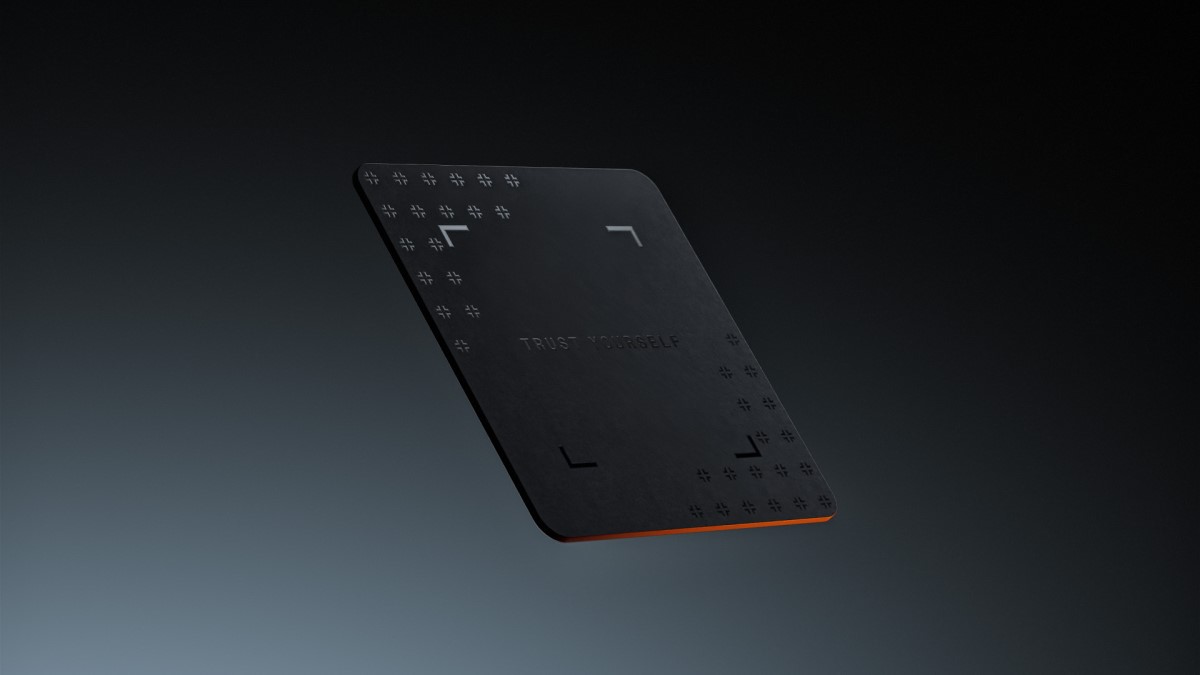
The Ledger Recovery Key is a compact and durable physical card. It protects, via PIN, an encrypted copy of the user's 24-word recovery phrase.
Works as an offline spare key to restore brand wallets, especially the Flex and Stax models, which have integrated NFC. It's a practical alternative for managing hardware wallet recovery with greater security and fewer risks than paper wallets.
Overview and Purpose
The Recovery Key stores the user's passphrase on a secure chip inside the card. It uses a PIN code and NFC, so wallet recovery happens offline, without the need for internet or paper.
The goal is to simplify backup and recovery of digital assets, ensuring access even if the original backup is lost or damaged. The card is compatible with Ledger Flex and Stax devices, supporting the idea of secure and autonomous wallet custody.
Comparison with other backup methods
Unlike paper backups, Recovery Key prevents issues like wear, loss, and exposure. It offers extra protection with a PIN and encrypted storage.
NFC makes interaction quick and eliminates the need for manual keystrokes, reducing errors. It doesn't replace standard backups, but it does enhance recovery strategies. Non-hardware digital methods can be vulnerable to attacks.
Ledger Recovery Key vs Ledger Recover
The Ledger Recovery Key is a physical tool for storing the phrase offline and accessing it via NFC. Ledger Recover is an online service that links the phrase to the user's identity to restore access to the wallet.
Ledger Recover relies on identification-based recovery, which raises issues of centralization and privacy. Recovery Key, on the other hand, focuses on self-custody security, putting control in the hands of the user.
| Features | Ledger Recovery Key | Ledger Recover |
|---|---|---|
| Type | Physical card offline | Identity-linked online service |
| Protection | PIN and secure chip | Identity verification |
| Compatibility | Ledger Flex and Stax only | Ledger wallets in general |
| Privacy | Total user control | Sharing of personal data |
How does the Ledger Recovery Key work? Technical analysis
Table: Ledger Recovery Key – technical analysis, summary.
| Feature | Description | Benefit |
|---|---|---|
| Chip Secure Element | Common Criteria EAL6+ certified chip used to store the 24-word Secret Recovery Phrase (SRP) with physical and digital isolation. | High security against physical and digital intrusions, protecting the integrity of assets. |
| Encrypted NFC Communication | Secure peer-to-peer interaction via NFC between the Recovery Key and compatible Ledger devices (Flex, Stax). | Data protection without relying on the internet, avoiding exposure in the cloud. |
| Mutual Authentication | Cryptographic protocol that confirms the authenticity of the Recovery Key and the Ledger device during communication. | Blocking fake devices and securely using multiple Recovery Keys for the same set of phrases. |
| PIN protection | 4- to 8-digit PIN, defined by the user, with data erasure after 3 incorrect attempts. | Prevents unauthorized access and protects data in case of loss or theft. |
| Compatibility | Works with Ledger Flex and Ledger Stax devices, integrating with the Ledger ecosystem. | Secure and convenient experience for protected physical backup and fast recovery. |
Chip Secure Element
The Recovery Key uses a Common Criteria EAL6+ certified Secure Element chip. This ensures a high level of security against physical attacks and hacking attempts.
It's the same chip found in Ledger devices like Stax and Flex, known for their robustness in protecting sensitive data. This technology allows for secure storage of the 24-word Secret Recovery Phrase (SRP).
The chip keeps the SRP isolated from digital and physical risks. It protects the integrity and confidentiality of this information, which is essential for asset management.
Communication between the Recovery Key and Ledger devices occurs via NFC, with secure mutual authentication. This process is controlled by a secure touchscreen on the Ledger device during backup and recovery.
The Secure Element chip also features PIN protection. The device automatically erases itself after three failed attempts, preventing the SRP from being exposed to third parties. This provides the user with an extra layer of protection, maintaining full control over their wallet securely.
Encrypted NFC Communication
The Ledger Recovery Key uses encrypted NFC to interact only with compatible Ledger devices, such as Flex and Stax. The channel is secure and direct, protecting data during information exchange.
The NFC connection protects the recovery phrase with an extra layer of security. Communication occurs only between the card and the physical wallet, bypassing the internet.
The card has a Secure Element chip that stores PIN-protected information. This prevents unauthorized access and maintains the integrity of the data that ensures control over crypto assets.
It's simple to use: just hold the Ledger Recovery Key near your Ledger touchscreen device. The intuitive interface is part of the Ledger ecosystem, which aims to facilitate the protection and recovery of digital wallets.
| Feature | Benefit |
|---|---|
| Encrypted NFC | Secure peer-to-peer communication |
| Secure Element | Protection against unauthorized access |
| Offline | Minimizes cloud exposure risks |
| Compatibility | Works with Ledger Flex and Ledger Stax |
Mutual authentication layer
Mutual Authentication is an essential layer of security between the Ledger device and the Ledger Recovery Key. They use a cryptographic protocol that confirms the authenticity of both, ensuring secure communication.
This process prevents the use of a fake Ledger Recovery Key. The Ledger device identifies and rejects any illegitimate card.
On the other hand, the Recovery Key only works with Ledger devices, blocking unauthorized access. The system protects the 24-word recovery passphrase stored on the Recovery Key.
Mutual authentication allows the user to use multiple Ledger Recovery Keys for the same set of passphrases. It provides flexibility in information storage, facilitating recovery even in adverse situations.
Integrating this mechanism into the Ledger ecosystem expands backup options. From the classic recovery sheet to solutions like Ledger Recover and Recovery Key, all work to ensure ownership and control of digital assets.
PIN protection with up to 8 digits
The Ledger Recovery Key uses a user-selected 4- to 8-digit PIN to protect access to the recovery passphrase (RSP). This extra layer of security makes it harder for third parties to access your assets if your card is lost or stolen.
If someone enters the wrong PIN three times in a row, Recovery Key erases all card data, including the SRP. This feature blocks brute-force attempts and keeps your information safe.
PIN protection works with Ledger Flex and Ledger Stax devices. To recover your wallet, simply tap the Recovery Key against the compatible hardware wallet and enter the correct PIN.
With NFC, Secure Element, and PIN, users have a secure and convenient experience for protected physical backups. Security control is completely in their hands, without relying on the cloud or third parties.
| Feature | Details |
|---|---|
| PIN | 4 to 8 digits, user-defined |
| Incorrect attempts | Deletes data after 3 errors |
| Compatible devices | Ledger Flex and Ledger Stax |
| Security technology | NFC and Secure Element |
How does the Ledger Recovery Key work in practice?
All interactions with the Ledger Recovery Key occur and are confirmed directly on the secure screen of Ledger devices, such as Flex and Stax. This allows you to see and verify each action before confirming, following the "What You See Is What You Sign" (WYSIWYS) principle.
The Ledger operating system authenticates the Recovery Key during use, providing clear on-screen confirmations. If the card's passphrase doesn't match the Ledger device's, an alert is displayed. This is very helpful for those who use multiple recovery keys.
When you create a backup, you can use Recovery Key to store the PIN-protected passphrase. Simply tap the NFC card against the back of your Ledger Flex or Stax, create and confirm the PIN, and it's all validated directly in the hardware wallet interface.
To restore, simply enter the Recovery Key PIN and place the card near the Ledger, transferring the passphrase. Visual confirmation and authentication ensure that only the legitimate owner can access the wallet.
Ledger Recovery Solutions
Ledger offers several recovery solutions for different profiles and security needs. These range from paper recovery sheets to digital services and more robust physical backups. Each option balances control, convenience, and protection.
A Recovery Sheet is the basic method, simple, but vulnerable to loss and damage. That's why, in 2025, Ledger launched Ledger Recovery Key, a physical PIN-protected card that makes backups more secure and resistant to unauthorized access. It complements the Recovery Sheet, which can be stored away, reducing risks.
There is also the Ledger Recover, an optional cloud-based solution that splits the passphrase into three encrypted and distributed parts, requiring identity verification for access. This digital approach offers resilience against loss but requires trust in user validation.
If you are looking for extra durability, you can opt for Metal Backup Sheet. It is sturdy, but keeps the sentence legible and directly accessible.
| Solution | Type | Protection | Risco | Main Appeal |
|---|---|---|---|---|
| Recovery Sheet | Physical paper | Offline, readable | High | Total control and self-confidence |
| Ledger Recovery Key | Physical card | PIN protected, offline | Medium | Convenience and physical security |
| Ledger Recover | Online | Fragmented, encrypted | Low | Digital resilience and practicality |
| Metal Backup Sheet | Physical metal | Offline, readable | Medium | Long-lasting durability |
With so many options, each person can create their ideal combination of protection and practicality, adapting it to their way of using and caring for their products. digital assetsProducts like Ledger Stax and Flex work seamlessly with these solutions, increasing the flexibility of the Ledger ecosystem.
Ledger Recovery Key vs. “Seedless” wallets
The Ledger Recovery Key maintains full user control over the 24-word passphrase recovery (SRP). Unlike seedless wallets, which typically hide this phrase and rely on closed methods for recovery, Ledger lets you manage your SRP directly.
Seedless wallets store private keys on the device and offer limited recovery, usually tied to the manufacturer. The Ledger Recovery Key serves as a complementary backup, ensuring compatibility with any BIP39 wallet and increasing user freedom.
| Appearance | Ledger Recovery Key | Seedless Wallets |
|---|---|---|
| SRP Control | Total user control | SRP often abstracted or inaccessible |
| Recovery Mechanism | BIP39 compatible backup | Proprietary and limited recovery |
| Freedom and Flexibility | Recovery on any compatible device | Manufacturer dependency and recovery lock-in |
| Transparency | Open and auditable components | Closed and opaque systems |
| Single Point of Failure | Secure backup that complements SRP | Device/vendor may be point of failure |
The Ledger Recovery Key doesn't take away your control, but it does facilitate secure passphrase management. Models like Ledger Stax and Flex support this innovation, reinforcing more secure and flexible custody.
This difference makes Ledger Recovery Key a solution that values sovereignty and independence. Seedless wallets, on the other hand, can impose limits and risks associated with centralization.
Don't Trust, Verify: Ledger's Open Source Commitment

Ledger follows the principle of the decentralized world: don't trust, checkSensitive parts of the hardware, such as the Secure Element, remain protected to prevent advanced attacks, but the company prioritizes opening up what is possible.
Much of Ledger's code is public and auditable, including Ledger Live, the wallet API, the Secure SDK, and the Flex and Stax device apps. Developers and security experts can review and validate the system's functionality.
The software that controls Ledger Recovery Key is open source. This covers the secure storage logic, NFC transfer, and essential cryptographic operations. This allows the community to verify the solution's integrity and security.
The Secure Element and Recovery Key operating system are Common Criteria EAL6+ certified, a demanding standard used even in military and banking applications. This reinforces the hardware's reliability.
Conclusion
The Ledger Recovery Key offers an interesting proposition for those who value security and practicality when managing cryptocurrency wallets. It is a physical, PIN-protected solution that serves as a secure backup for the 24-word recovery phrase.
Users of Ledger Flex and Ledger Stax wallets benefit even more, as they can use NFC technology to quickly retrieve assets.
Ledger places control of the keys entirely in the hands of the user, which reinforces the idea of digital self-sovereignty without sacrificing protection.
Plus, Recovery Key greatly simplifies the process, as you no longer need to memorize or manually save the passphrase. This makes everything more accessible, especially for those just starting out or who don't want to deal with so much stress.