S&P 500 futures fall and technology weighs on global markets
2 min read
PortalCriptohttps://portalcripto.com.br/

Loading…
Global stock exchanges ended the week under pressure after a new wave of selling in technology stocks in the United States, a move that also influenced investor sentiment in different financial markets, including the cryptocurrency sector.
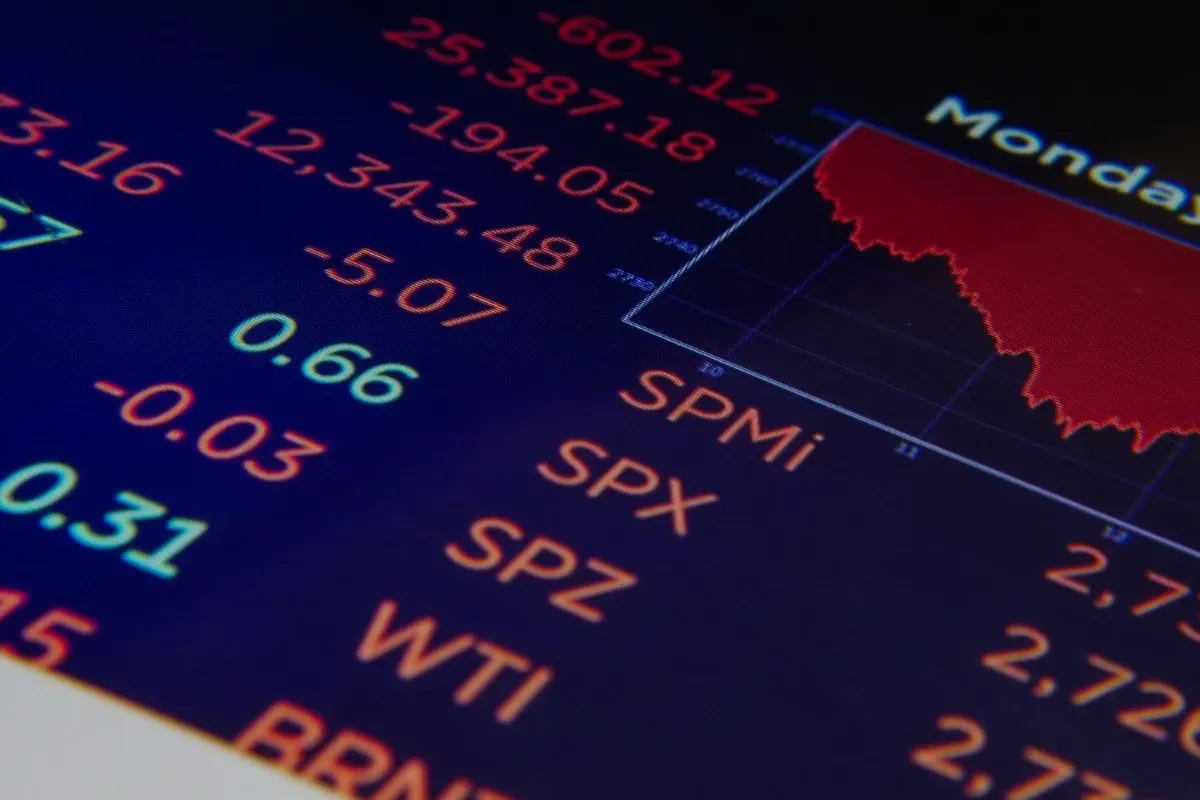
In Thursday night futures trading, S&P 500 contracts posted a decline of 0,6%, while Nasdaq 100 futures fell 1,3%. Dow Jones futures, meanwhile, showed a more moderate loss, down about 0,15%.
During the regular session, the Nasdaq Composite index fell 0,46%, marking its first streak of four consecutive losing sessions since February. The S&P 500 closed virtually flat, with a slight decline of 0,01%. In contrast, the Dow Jones rose 0,14%, driven by buying in healthcare, financial, and industrial sector stocks.
The weakening of the technology giants played a central role in the performance of the indexes. Apple lost 6% after announcing price increases on iPads and MacBooks, citing higher costs related to demand for memory and storage. Microsoft also posted a decline of more than 3% after reporting price adjustments for Xbox consoles due to rising component costs.
Other companies in the sector, such as Alphabet and Meta Platforms, also ended the day in negative territory, increasing pressure on the Nasdaq.
For Julia Hermann, global market strategist at New York Life Investment Management, the moment calls for investor attention. According to her, “This is a market that we think is quite set up to test conviction. We have this flavor of market leadership in specifically semiconductors and memory chip leaders”.
The specialist added: “This is a structurally more volatile flavor of tech than we saw in the Magnificent Seven for the past several years.”
Hermann also highlighted that the shift in expectations related to the Federal Reserve has been contributing to increased volatility. In her assessment, “Then you pair that with an astonishing repricing in Fed expectations — not just the what, but the why of why the Fed might be hiking next — and you have this environment, which is candidly a recipe for volatility.”
In Asia, negative sentiment prevailed. South Korea’s Kospi index led regional losses with a decline of 6%, while the Kosdaq fell more than 2%. In Japan, the Nikkei 225 dropped 3,82% and the Topix lost 1,26%.
Hong Kong also recorded strong selling pressure, with the Hang Seng retreating nearly 2%. In mainland China, the CSI 300 fell 2,3%. Meanwhile, the S&P/ASX 200, Australia’s main index, closed virtually flat.
For the week so far, the Nasdaq is on track for a devaluation of 4,4%, while the S&P 500 is posting a decline of 1,9%. The Dow Jones is moving in the opposite direction, sustaining a weekly gain of 0,7%.
Investors are now following the release of the preliminary May wholesale inventories and the final June reading of the University of Michigan consumer sentiment index, data that may influence expectations for the American economy and the behavior of financial markets in the coming days.