BCGAME - Free 5BTC Daily Bonus!
- Texas accelerates electrical connection for AI data centers.
- Bitcoin mining companies increase revenue with digital infrastructure.
- New rule favors expansion of data centers and AI.
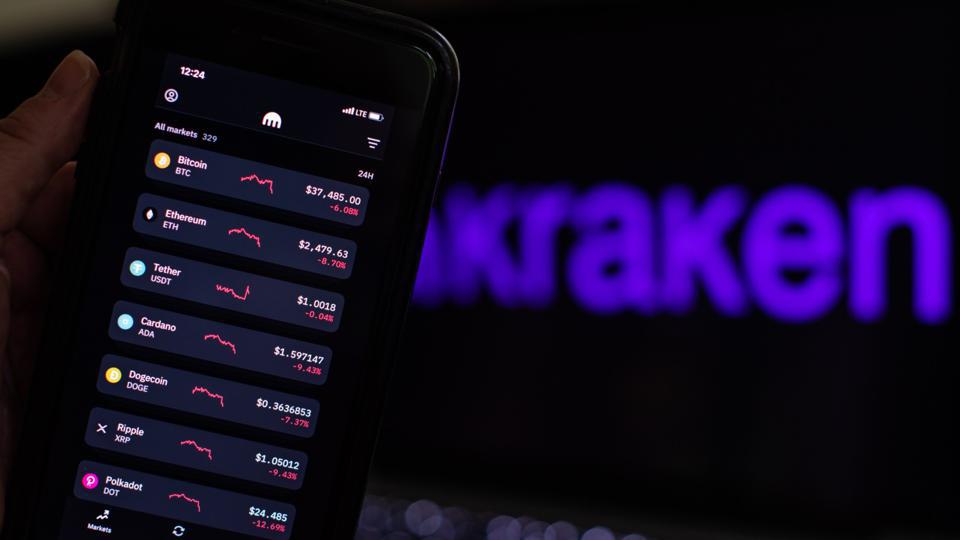
Shares of companies linked to bitcoin mining and the operation of large energy facilities in Texas rose on Thursday after the approval of a new model for distributing electrical capacity in the state. The measure is seen by the market as an important step to accelerate artificial intelligence and data center projects, a segment that has been attracting billions of dollars in investment in the United States.
Among the day's highlights, Cipher Digital advanced more than 10%, while Core Scientific and Riot Platforms also posted significant gains. This movement occurred after the Texas Public Utilities Commission approved the so-called "Batch Zero" process, developed by ERCOT, the operator responsible for managing the state's electrical grid.
The change comes amid the accelerated growth in energy demand driven by the expansion of artificial intelligence. Currently, more than 438 megawatts in connection requests are awaiting analysis in the ERCOT queue. According to data from the entity, about 90% of these requests are related to data center projects.


The new system replaces the traditional model, which evaluated requests individually. With the update, projects will be analyzed in groups, allowing for a broader view of the combined impact of new electrical loads and the need to expand transmission infrastructure.
The decision could especially benefit companies that started as bitcoin miners and now operate or develop infrastructure focused on high-performance computing and artificial intelligence.
Cipher Digital is among the most prominent examples of this transition. The company has signed agreements with major technology companies for the use of its energy complexes in Texas. These include a lease agreement valued at US$5,5 billion with Amazon Web Services at the Black Pearl campus, as well as a previous agreement involving Google at Barber Lake.
Riot Platforms has also been expanding its presence in the sector. Earlier this year, the company reported $33 million in revenue from data center operations and expanded its lease agreement with AMD to 50 megawatts. Simultaneously, it continues the development of its campus in Corsicana, designed to support up to 1 gigawatt of power capacity.
Core Scientific, on the other hand, reported $78 million in colocation revenue in the first quarter, more than double the revenue generated by its bitcoin mining activities.
However, the pressure on power grids is not limited to Texas. The Federal Energy Regulatory Commission (FERC) has mandated that six regional energy operators in the United States provide assurances that the costs of data center expansion will not be passed on to residential consumers and businesses, and demonstrate that the policies adopted preserve the reliability of the electrical system.
FERC President Laura Swett described the issue as one of the country's top priorities given the rapidly growing demand for artificial intelligence infrastructure.