
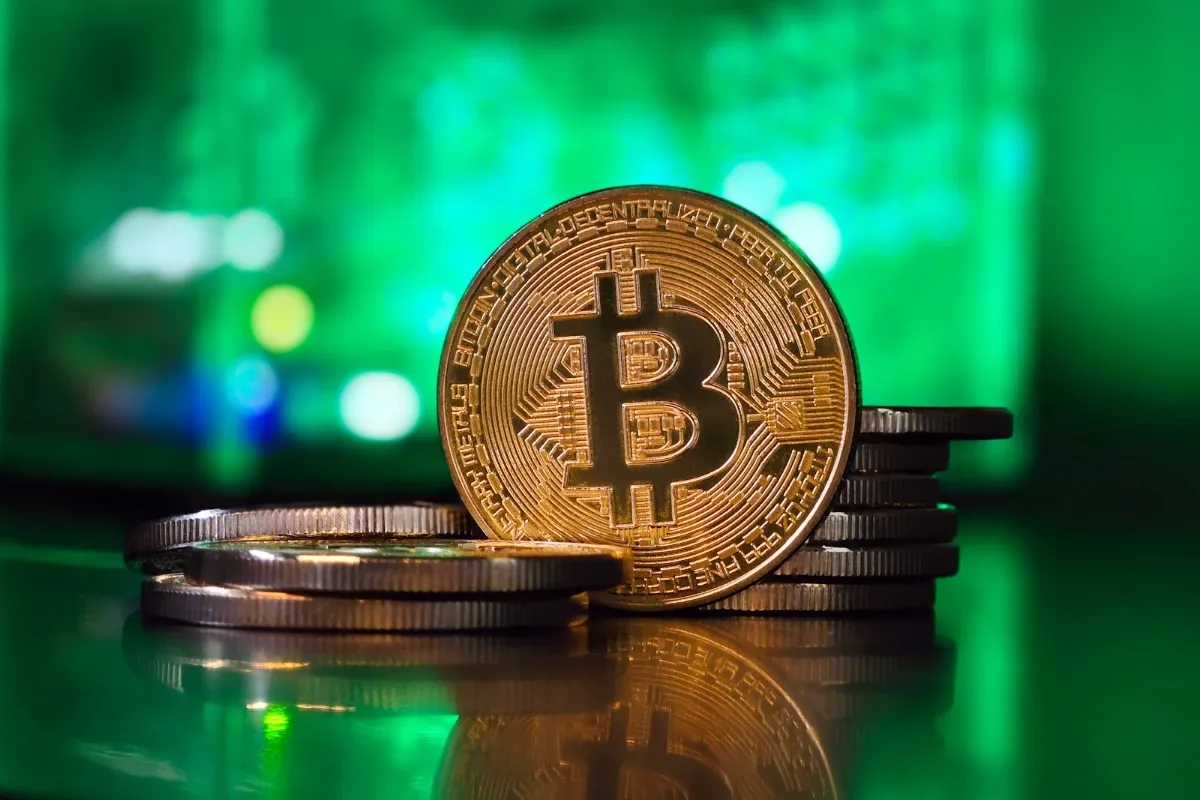
After weeks of weak performance and a drop to the lowest level since 2024, Bitcoin (BTC) staged a consistent recovery and returned to the market’s radar.
Analyst Ali Martinez highlighted the turnaround and pointed to three bullish factors capable of driving the price above US$ 65.000 in the short term.
The three technical signals supporting the rally
The largest cryptocurrency recently surpassed US$ 62.500, supported by easing geopolitical tensions in the Middle East and the anticipated return of inflows into ETFs, after several weeks dominated by outflows.
According to Martinez, BTC’s 12-hour chart brought together several favorable technical signals, reinforcing the thesis that further upside may be on the way. The first is the Tom DeMark Sequential indicator, which issued a buy signal.
At the beginning of the week, the analyst recalled that this metric, on the monthly timeframe, triggered a simultaneous bullish projection for BTC, ETH, XRP, and SOL.
"Historically, when multiple assets register simultaneous monthly buy signals, this indicates seller exhaustion and a high probability of a long-term market bottom," he explained.
The second signal is BTC’s Relative Strength Index (RSI), which showed bullish divergence relative to price. The third is the SuperTrend indicator, which signaled a trend change.
"If these combined indicators are validated through sustained spot volume, the immediate target for BTC stands at US$ 65.400 — aligning with the resistance trendline of the TD setup," he concluded.
Whales and other analysts reinforce the optimism
Several analysts share Martinez’s view. User cyclop observed that BTC tends to post double-digit gains in July, even during bear markets.
Whale behavior reinforces the picture. User Max Crypto revealed that a large investor opened a long position of US$ 66 milhões in BTC, with liquidation expected if the price falls to US$ 59.395.
These larger investors rarely follow passing trends and act based on their own market reading. Their movements tend to encourage smaller investors to allocate new capital to cryptocurrencies.
Weak employment in the US changes the bet on interest rates
On the macroeconomic front, weaker labor data helped investor sentiment. Nonfarm payrolls grew by 57.000 in June, well below the roughly 114.000 projected, with downward revisions to previous months.
The negative surprise weakened the argument for a recovery in the American labor market, said Kyle Rodda, senior analyst at Capital.com. The implied probability of another interest rate hike by the end of the year fell to 77%, from about 85% before the data.
The unemployment rate fell to 4,2%, a change that Rodda attributed to the drop in the participation rate, rather than to real strength in the labor market. For him, the report brought contradictory signals and "potentially more noise than signal."
ETF flows turn positive again
The direct reading for cryptocurrencies appeared first in the flows. US spot bitcoin ETFs took in US$ 224 milhões on Thursday.
It was the first positive result in more than a week and a sign that buyers returned after redemptions of about US$ 2,4 bilhões.
In the options markets, short-term implied volatility gave back much of the previous week's spike, easing tension and tracking the recovery in the spot market, according to analysts at QCP Capital.
Not everyone sees easing ahead
QCP itself notes that the data is not a clear signal of expansionary monetary policy. Despite the weak result, wages accelerated, unemployment fell, and consumption remains heated.
This combination looks more like a reduction in labor supply than a cooling in demand, which gives the Fed room to maintain a firm stance. A newly installed central bank president also tends to be conservative at the beginning to build credibility, and Warsh's communications follow that line.
Markets postponed the expectation of a September cut to December, but flows across various assets do not confirm a genuine shift. The 10-year Treasury stayed stagnant near 4,47%, while the S&P 500 closed flat and the Nasdaq declined.
Broader market tries to stabilize
The easing of fears over interest rates allowed investors to refocus on growth and company fundamentals, said Daniela Hathorn, senior analyst at Capital.com.
The dollar retreated from 13-month highs after the weak employment data, while gold and oil showed signs of stabilization. With U.S. markets closed on Friday for the holiday and reduced liquidity over the extended weekend, QCP expects volatility to continue in both directions.

