
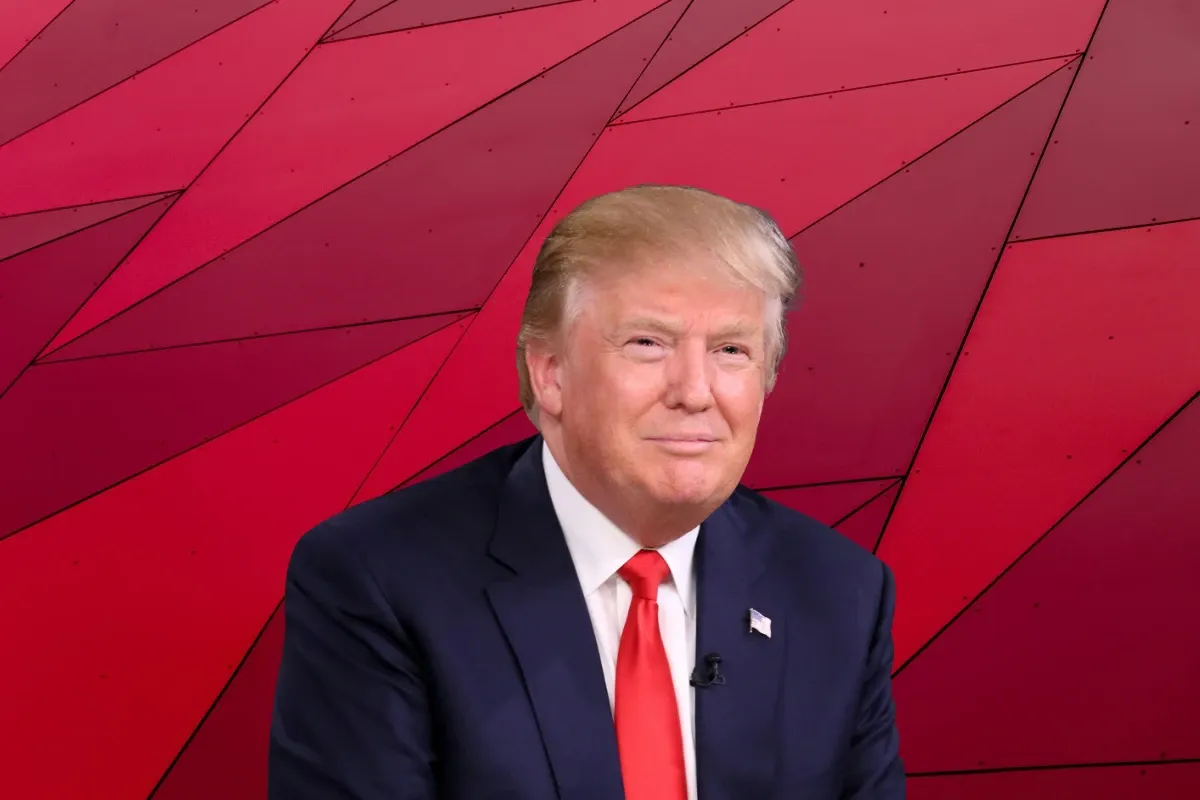
The current president of the United States, Donald Trump, announced a proposal to charge a 20% fee on all cargo transported through the Strait of Hormuz, one of the most strategic maritime routes for the global oil trade. The announcement was made via Truth Social and triggered an immediate market reaction, with a sharp rise in oil prices and a drop in the main stock indexes.
In addition to the new tariff, Trump said that the United States will again block the Iranian ports near the strait, increasing pressure on Tehran. The decision comes amid rising military tensions between the two countries, which has reduced tanker traffic in the region and raised concerns about the global energy supply.
In the post, the president stated that the Strait of Hormuz will remain open to international vessels, regardless of Iran's position. According to him, all countries, except Iran, will have free access to the waterway.
“The U.S. will, from now on, be known as ‘THE GUARDIANS OF THE STRAIT OF HORMUZ,’” he said. “But, as such, and as a matter of FAIRNESS, they will be reimbursed 20% on all cargo shipped, for all costs necessary to ensure the security of this very unstable region of the world.”
“The process and implementation will begin immediately,” he added.
The proposal represents a significant shift in United States policy for the region. Until then, Washington rejected any attempt to charge tolls on vessels crossing the strait. Now, Trump argues that commercial ships pay for the protection services offered by the U.S. Navy, justifying the measure as a way to offset security costs.
Before the start of the war, the Strait of Hormuz accounted for about 20% of global oil trade, making it one of the most important routes for energy supply. Since the escalation of the conflict between the United States and Iran, the flow of oil tankers has decreased considerably, increasing the volatility of the international oil market.
The proposal, however, drew criticism from foreign policy and international security experts. For David Goldwyn, president of Goldwyn Global Strategies and former special envoy of the U.S. State Department during the Obama administration, the charge is high and its effectiveness still raises doubts.
“If the U.S. were capable of escorting ships safely and guaranteeing the absence of threats from Iran, we would have seen that happen in recent weeks,” Goldwyn said. “So, I think this is nothing more than bluster.”
Hours before the official announcement, Trump had already previewed his intention during an interview with Fox News.
“We will keep the strait and probably we will control it,” Trump said.
“We will become the guardians of the strait — maybe we can call it the guardian angel of the strait,” Trump told Fox. “And we should be reimbursed for that.”
“We cannot expect that we do this for free, unlike what we did for many years,” he added. “We protected it for free, and now we will protect it and we will be paid for it. A lot of money.”
The decision also represents a new escalation in the dispute between Washington and Tehran. The ceasefire agreement signed in June prohibited Iran from charging any fee to commercial vessels crossing the Strait of Hormuz. With the weakening of this understanding after new military clashes, Trump recently declared that the ceasefire had ended and again argued that the United States should be compensated for protecting the Middle East’s main oil export route.