
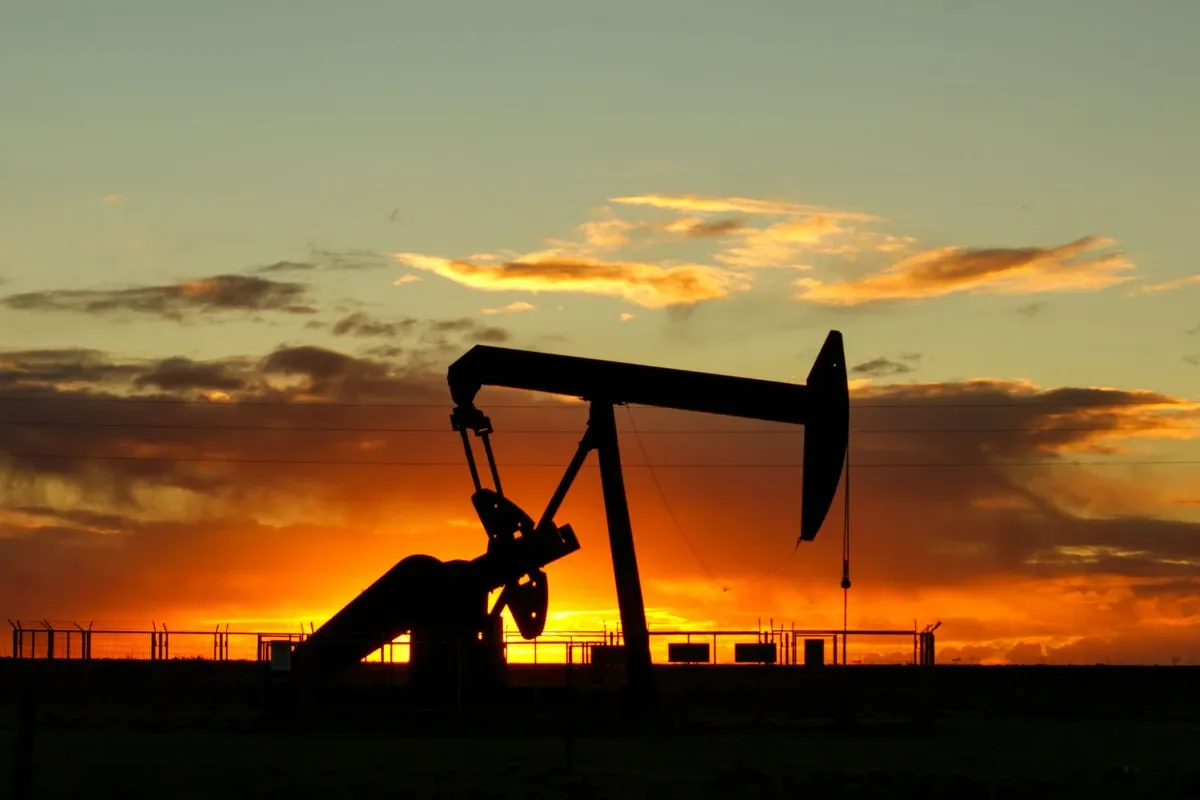
Oil prices today are rising this Friday after new threats of retaliation from Iran increased investor concern over possible disruptions in the global supply of the commodity. The move comes after the current president of the United States, Donald Trump, said he may order attacks against Iranian facilities if diplomatic negotiations between the two countries do not advance.
In the international market, crude oil futures contracts West Texas Intermediate (WTI) for August delivery were up 1,32%, trading at US$ 80,09 por barril. Meanwhile, Brent, the global benchmark for oil prices, was advancing 1,33%, to US$ 85,35 por barril in September contracts.
The commodity's appreciation comes at a time of greater caution among market participants. Whenever risks involving the Middle East arise, investors begin to assess possible impacts on oil production and transportation, as the region is home to some of the world's largest producers.
During an interview given to Fox News last Tuesday, Trump said that American forces could strike Iran's infrastructure next week if Washington and Tehran did not reach a diplomatic agreement.
The Iranian response came two days later. In a statement released on Telegram, a spokesperson for the country's high military command said that a United States offensive would provoke a large-scale reaction.
According to the statement, if the threats were carried out, “everything that is still intact... that is, all the region’s infrastructure, will be destroyed”.
The statements heightened concerns about the stability of the global oil supply. Any disruption in production or export routes in the Middle East usually influences international commodity prices quickly.
Despite the escalation of the threats, analysts still believe there is room for a negotiated solution. Jorge León, senior vice president at Rystad Energy, said that the consultancy continues to consider a limited agreement between the United States and Iran as the most likely scenario, although confidence in this hypothesis has decreased.